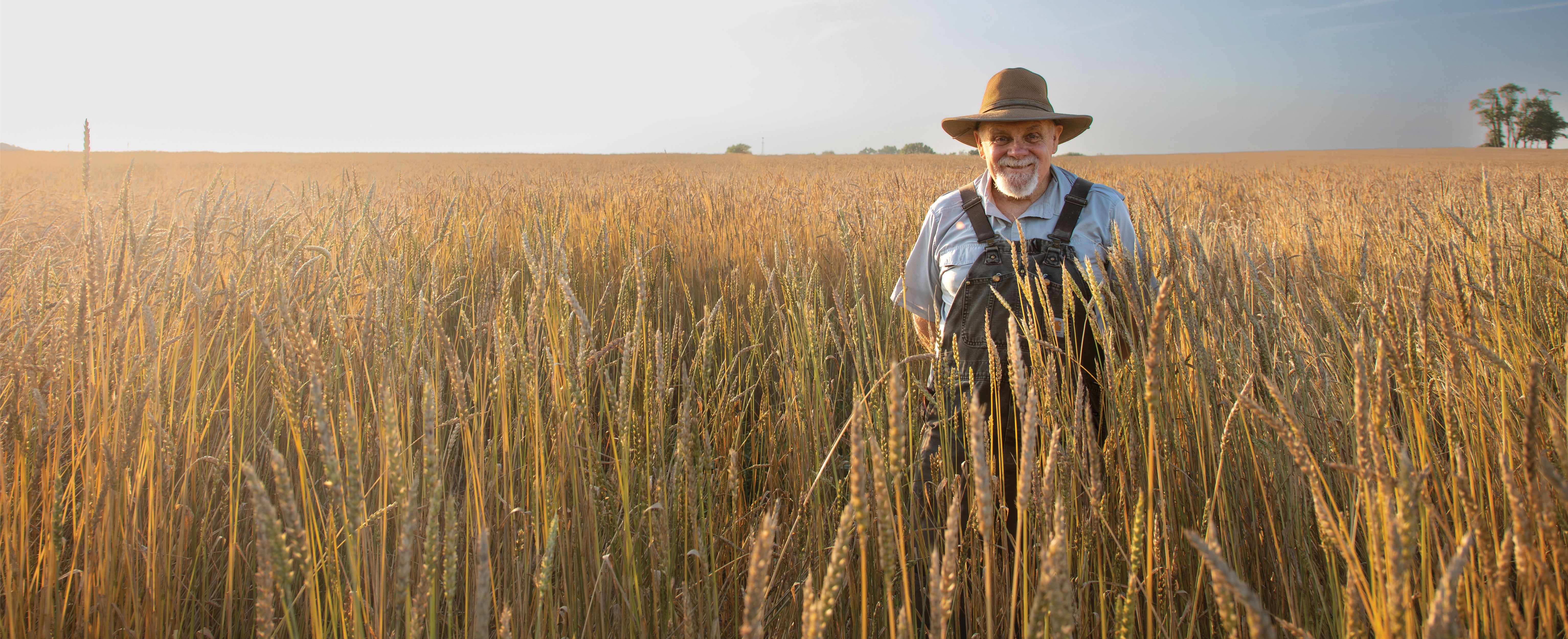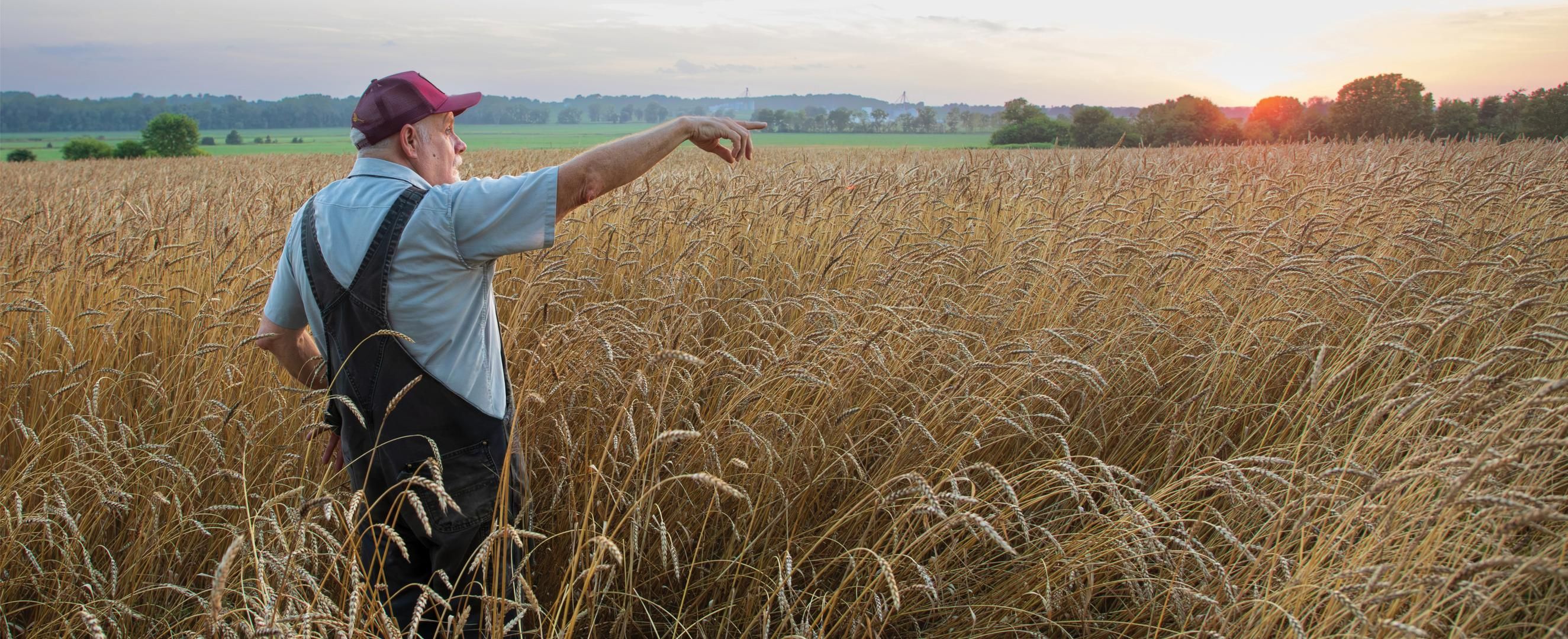

The idea of growing heritage grains and milling them into flour farmside is something that first captured the imagination of local farmer Jon Branstrator in the 1980s when he bought a small mill. At that time, there just wasn't enough interest from area bakers, as conventional flours offer a level of consistency when baking bread that is hard to sacrifice. "I was too early, so I shut it down," Jon recalls. He pursued other ventures, and in the early 1990s he returned to the Clarksville-based, 170+ acre farm that's been in his family for multiple generations. It wasn't easy at first, but Jon was determined to find the right mix of crops. "I was worried I'd have to get another job to support my habit of farming." But Jon dug in, leaning into the local farming community to form connections and never compromising on his values for how to farm with soil health top of mind. He eventually found much success over the years with growing pumpkins, fall gourds, and spring asparagus, among other crops. About 15 years ago, Jon began his relationship with DLM, bringing in samples of strawberries and his beloved donut peaches to retired longtime DLM Produce director José Manzano. Jon's vibrant produce was a seasonal star here at DLM for many years.
Something still tugged at Jon to revisit his passion for growing and milling heritage grain and corn. He decided the timing was better, and with DLM bakers already working with other nearby local farmers for locally grown wheat, he knew there was a chance he could potentially contribute a different crop for other types of artisan bread. So in true Jon fashion, nearly 30 years after his first venture into growing and milling heritage grains, he was ready to dig in—all in.
Jon sees farming as a puzzle with many pieces, so switching primarily to local grains was something new to solve. "(With farming), you have to be so optimistic it doesn't make sense. You have to go down every wormhole to learn everything to make your plants as healthy as possible," he says. "Soil health relates to the plant health, which relates to the health of the food you eat." This is why Jon chooses not to use chemicals and insecticides, as he sees the mircobiome of the soil as the foundation to any crop.
There is more to growing heritage wheat and corn to be used in baking as it must be balanced with a meticulous attention to the milling process. The yielded flour needs to not only be flavorful and chock-full of health benefits, but desirable for bakers.
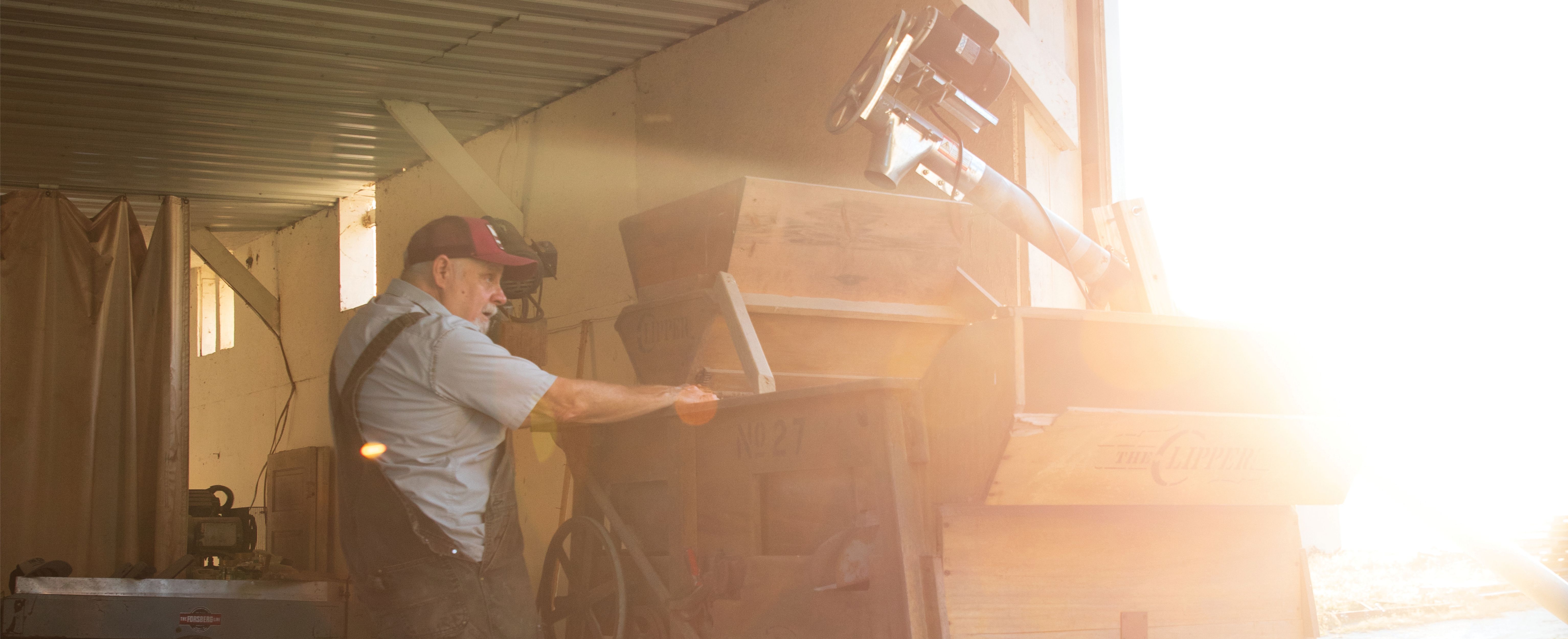
As Jon prepared to level up his presence, he sought seeds of knowledge to make his endeavor more successful. That took him to Oaxaca, Mexico, to study the corn farming culture. "I also studied tacos and tequila," he says with a laugh. From there, he went to milling and local grain conferences across the country. The Artisan Grain Collaborative also sent him to milling class in South Dakota, where he formed many valuable connections with farmers and millers that are still in place.
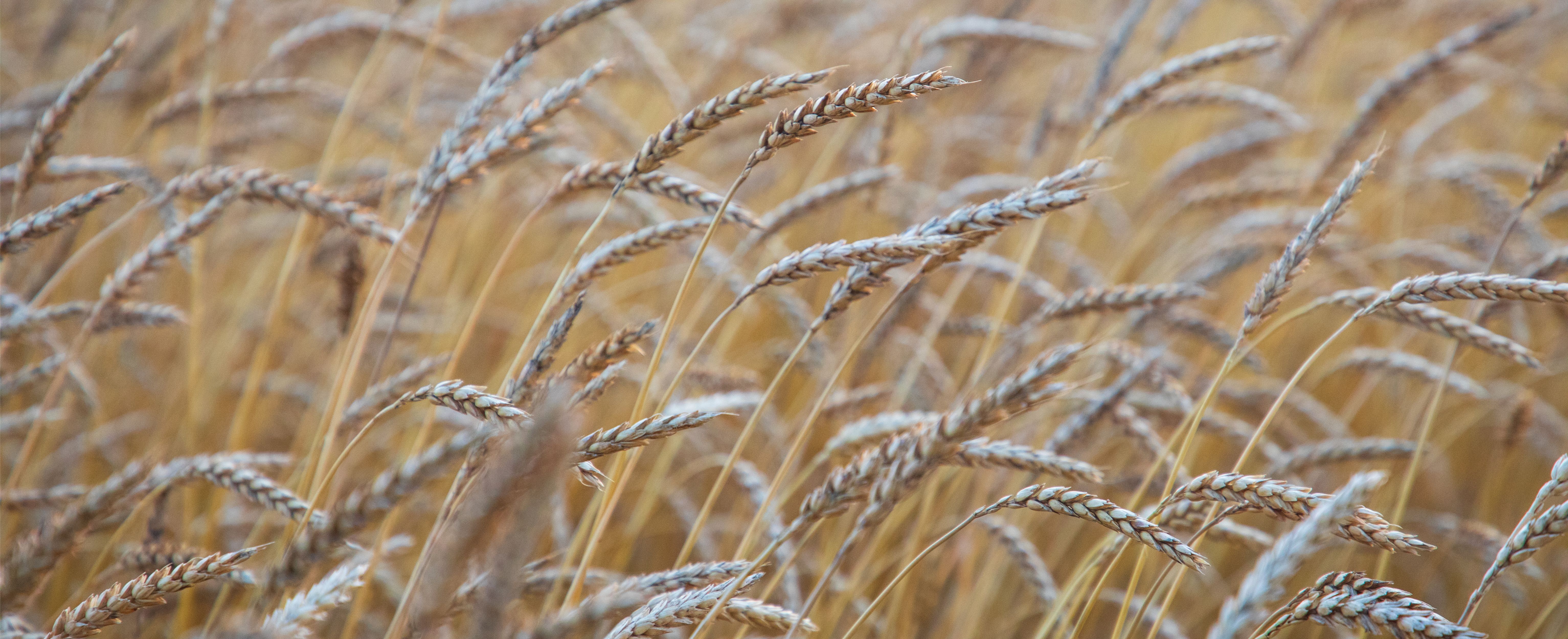
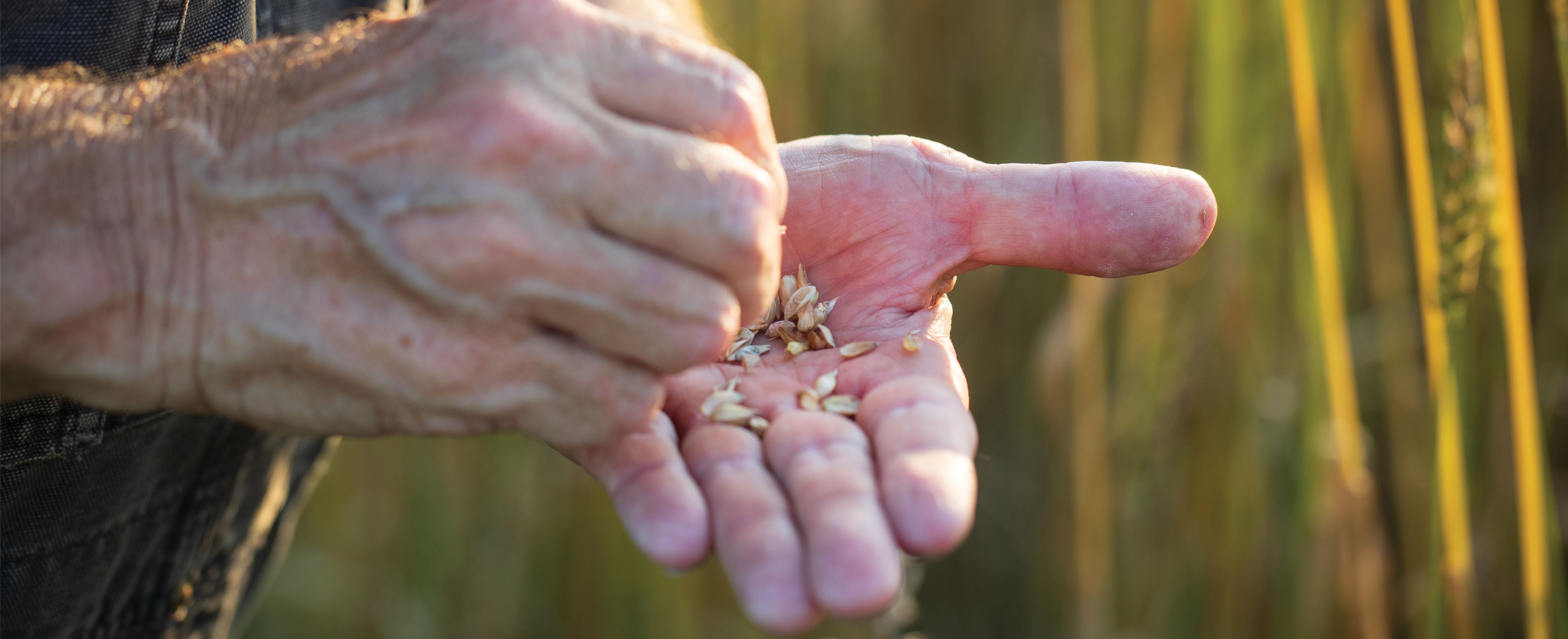
Next, he bought a mill. He also knew that he'd have Mother Nature to contend with so choosing the right crops was important. This led him to Red Fife wheat, a hard red wheat that is not only flavorful, but it is not as susceptible to certain diseases. The resulting crop also boasts a higher protein, with the most recent harvest clocking in at a 14% protein level.
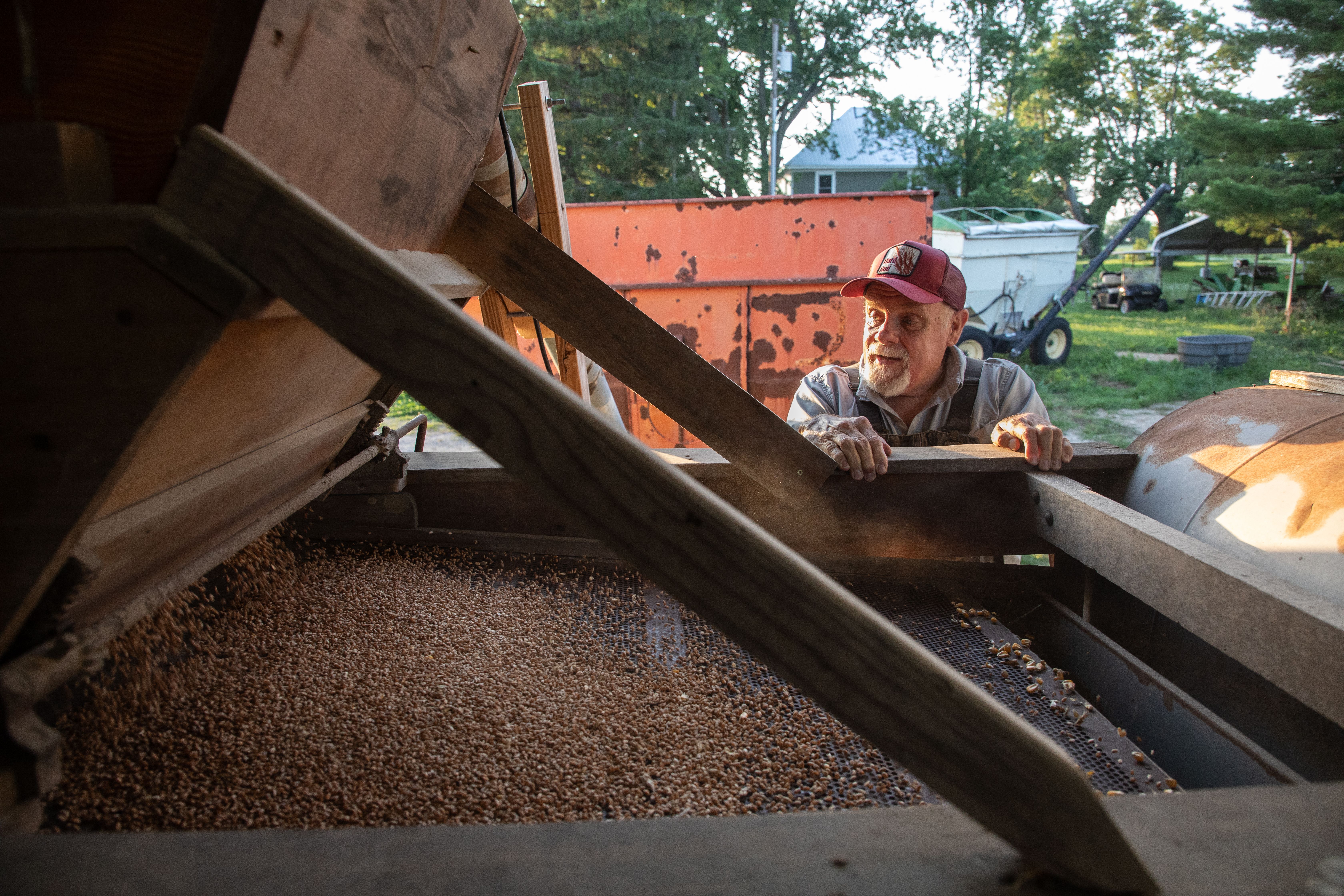
"I bought a mill and planted Red Fife wheat. I took it to (farmer) Jay Brandt to clean the grain... that was the genesis of the Ohio Grain Hub," he says. Today, Jon grows about 40 acres of Red Fife wheat among other varieties of heirloom corn, and he mills about 100,000 lbs of flour to bring to DLM alone. This includes heirloom wheat and ancient grains grown from other nearby farmers.
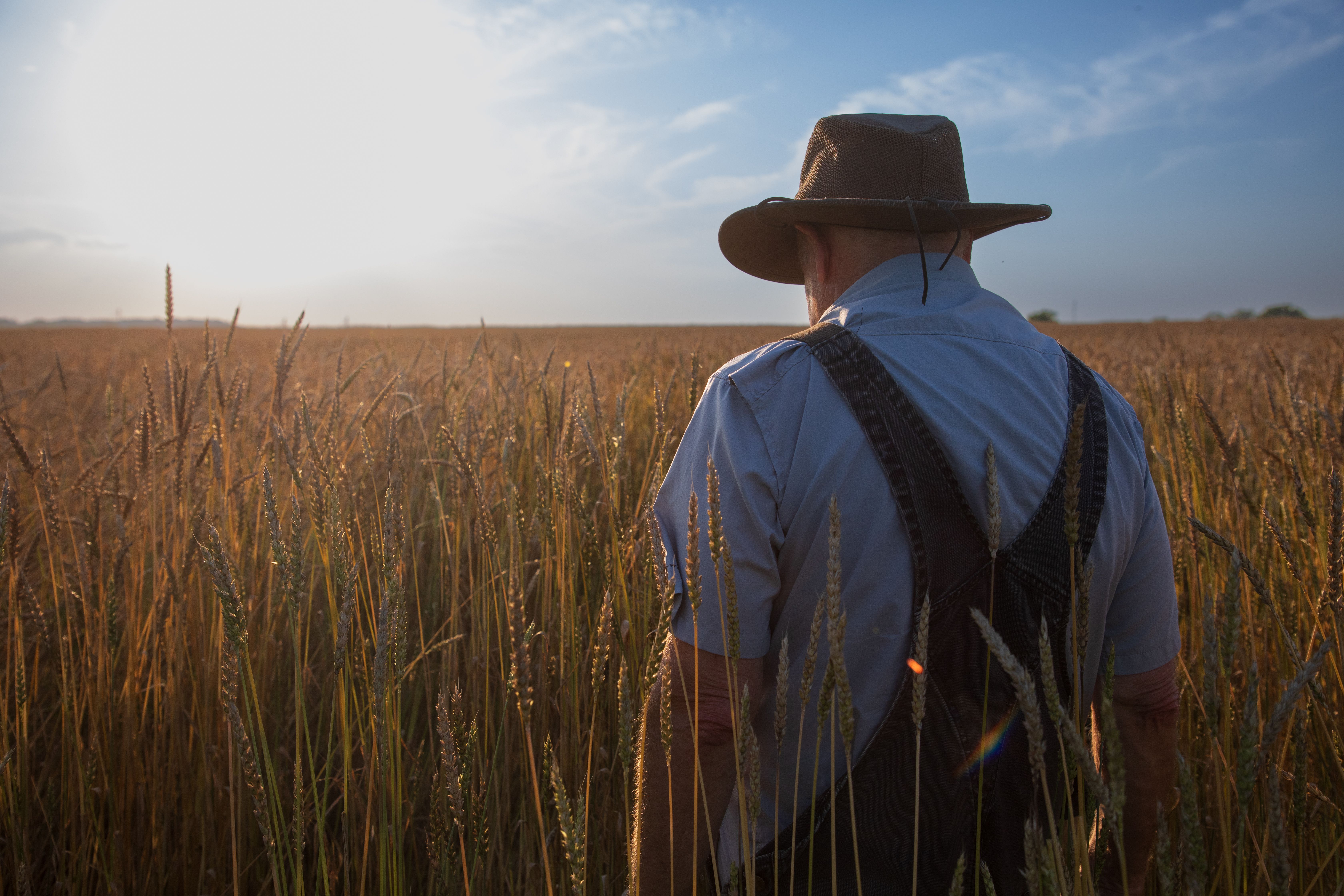
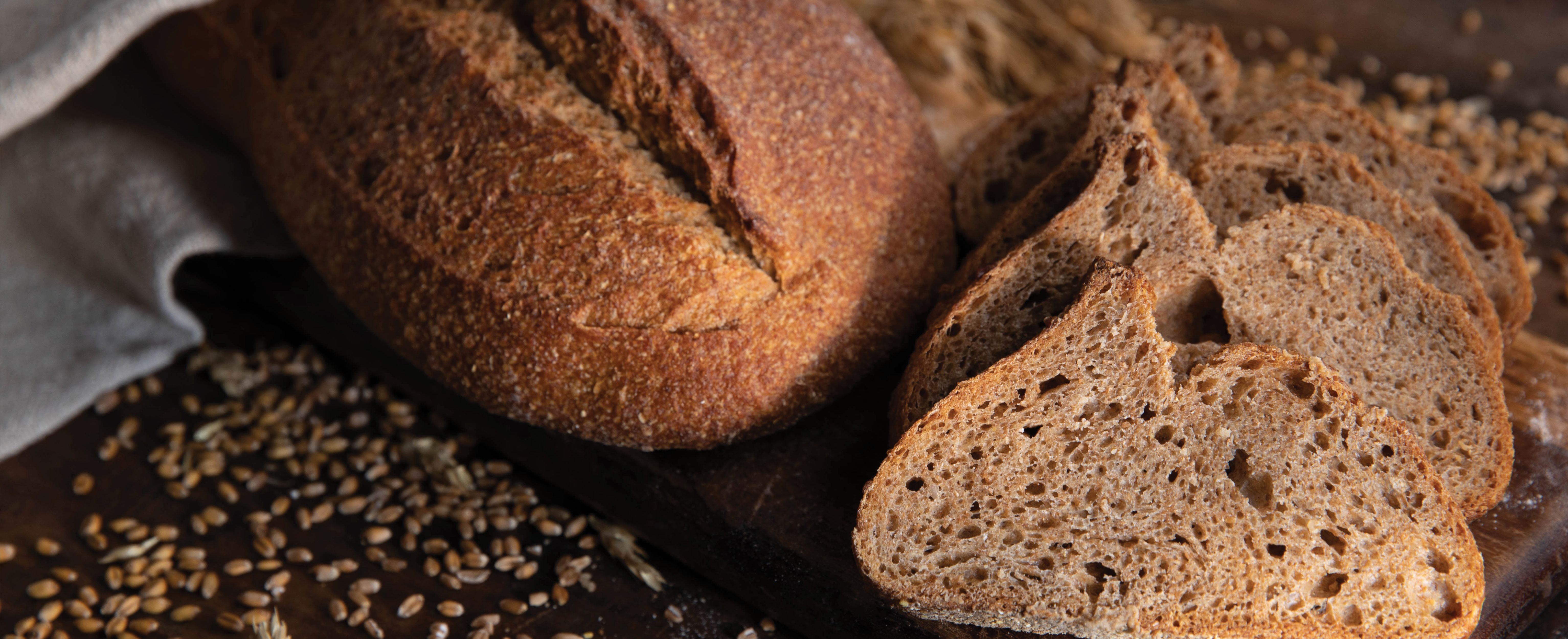
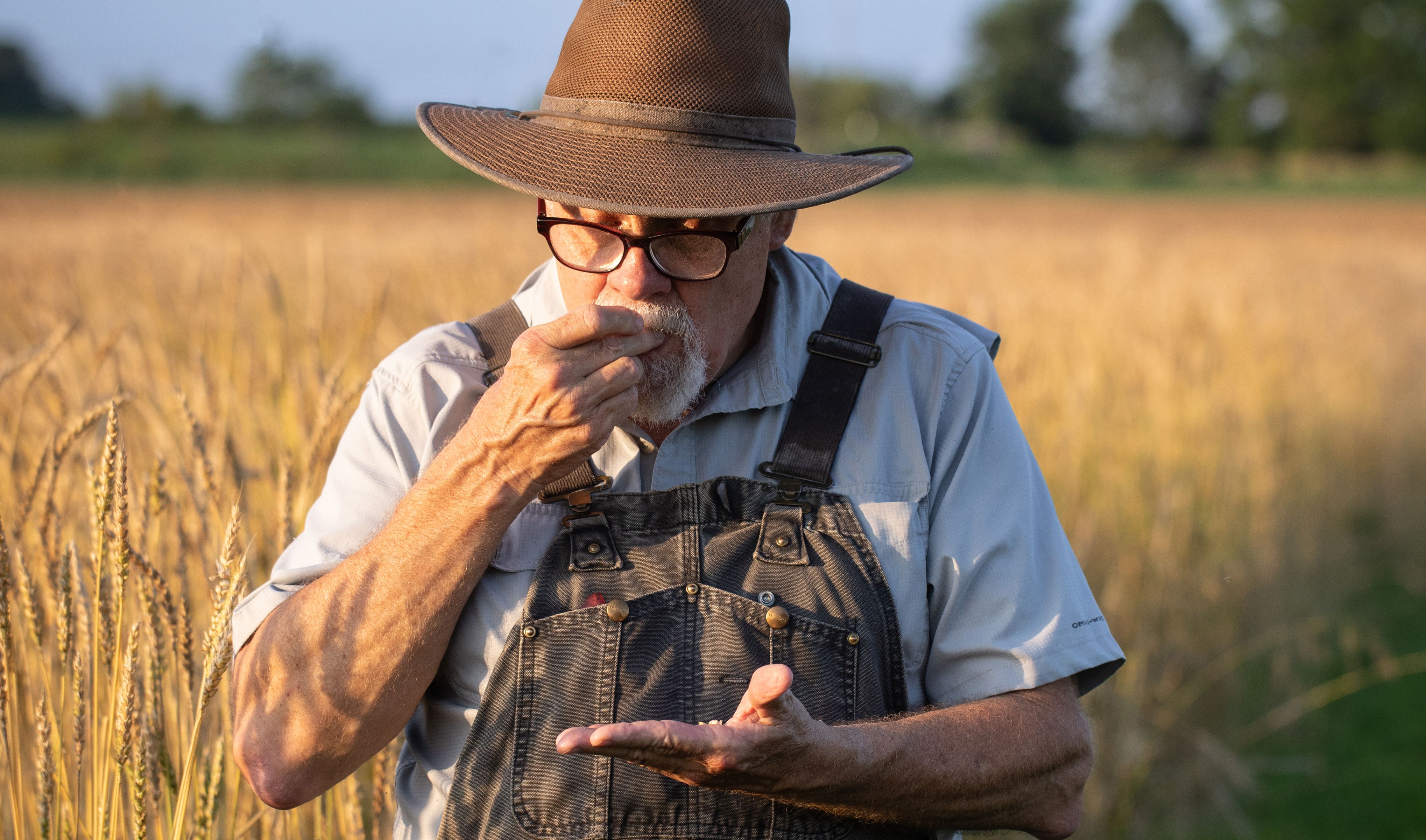
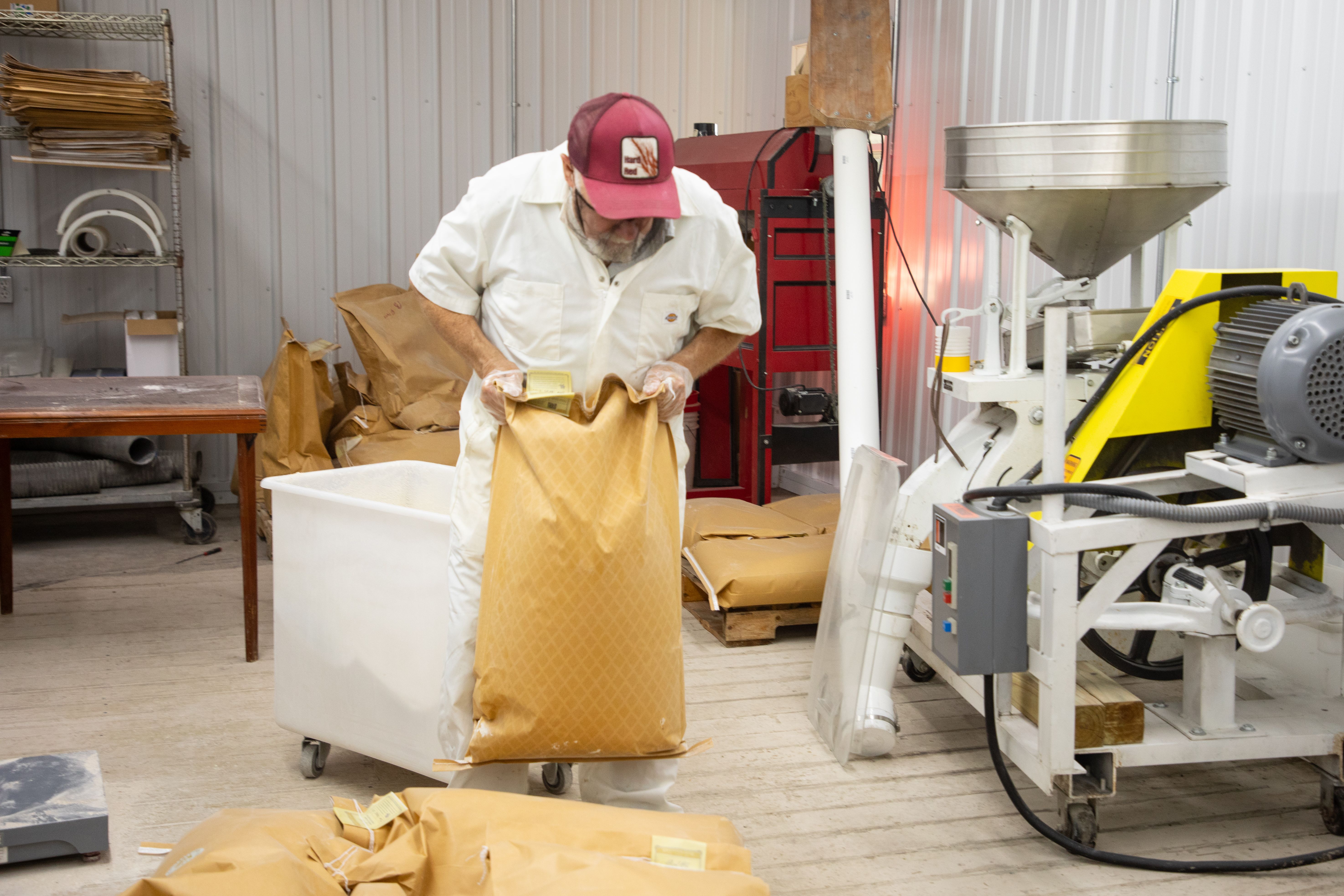
About three years ago, Jon dug in even deeper to the milling side and upgraded to a New American Stone Mill with massive 200-lb stones. "I wasn't completely happy with the flour I was getting with my antique mill," he says, explaining that the massive stones grind everything together, including the right amount of bran and wheat germ oil to maximize flavor and healthful benefits of the resulting bread. This past year, Jon also underwent a voluntary process so that his milling operation could be FDA-approved.
Becoming a part of growing Ohio's local grain community as a whole was just as much of a goal as growing and milling his own wheat and cornmeal. "I want to uncomplicate the process for others. Plus, it's a way to be more consistent for the bakers," says Jon, who mills flour in small batches for our Bakehouse a few times a week. With each delivery, he'll stop by the Bakery and grab a loaf or two of Artisan Bread. "It's about having the right product at the right time and that's pretty joyful," he says. "I'm proud of what I do. But it was complicated getting there. Finally, I have all the parts of the puzzle."
- Jim
- Dee
- Shannon
We'd love to fill your plate with recipes, stories of our food adventures, gift ideas, and news of sale items.
SIGN UP FOR OUR E-NEWSLETTERS